
Sleep & Snoring
Snoring is the symptom people notice. Obstructive sleep apnea is the condition worth finding, because it's the one that interrupts breathing during sleep and carries consequences beyond tiredness. An ENT practice comes at this from the airway: what is physically obstructing breathing, and what can be done about it.
What We Evaluate
Obstructive sleep apnea — repeated pauses in breathing during sleep, caused by the airway narrowing or closing.
Snoring without apnea — common, disruptive, and treatable on its own terms.
Airway obstruction — enlarged tonsils or adenoids, nasal blockage, or a structural narrowing contributing to either of the above.

When to Book
Snoring loud enough to disturb a partner
Gasping or choking during sleep, usually noticed by someone else
Waking unrefreshed after a full night
Daytime sleepiness affecting work or driving
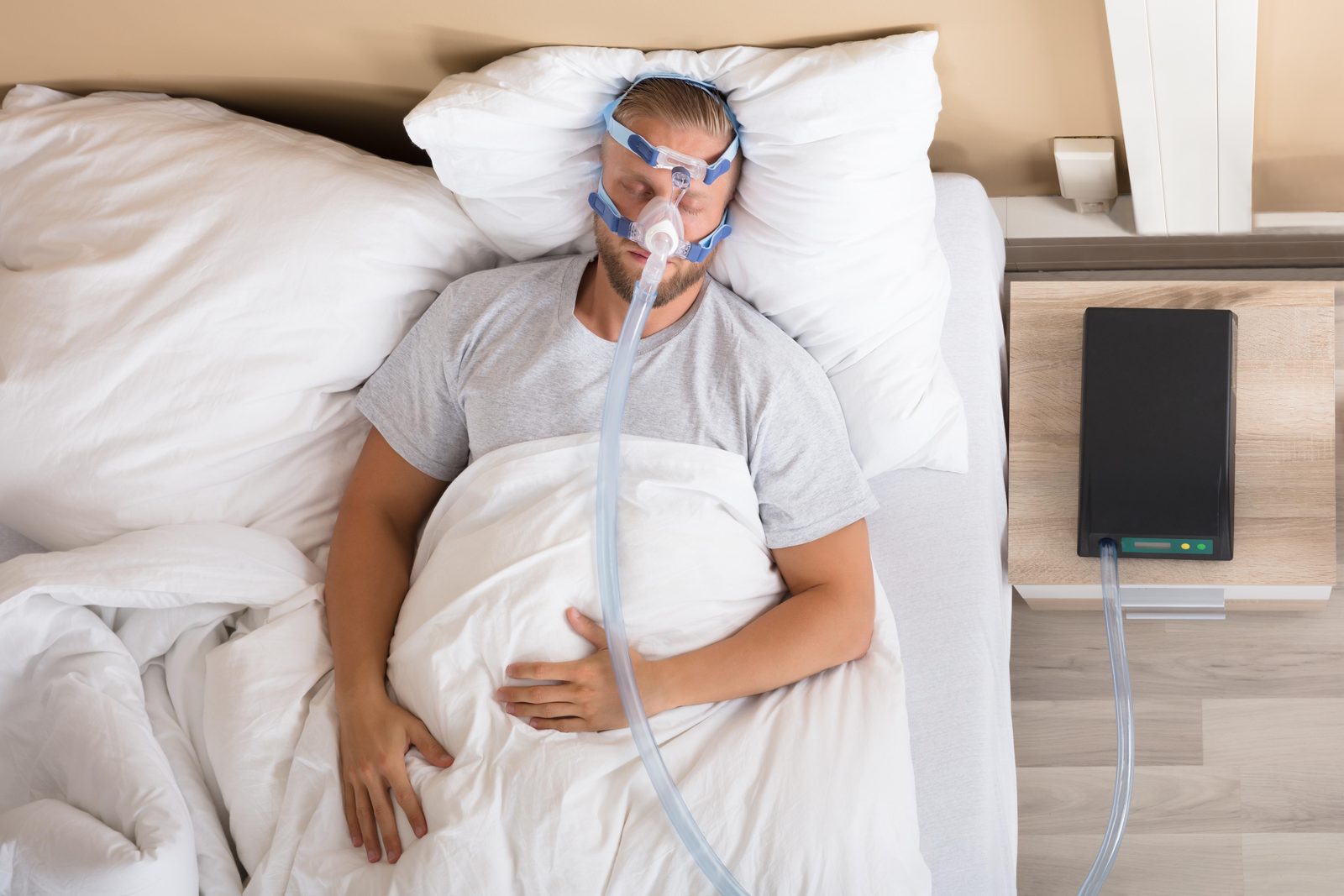
A CPAP machine you cannot tolerate or have stopped using

Ready for a Better Night's Sleep?
From snoring to sleep apnea, our specialists can help you rest easier.
Treatment Options
Oral appliances — a custom device worn during sleep to hold the airway open.
Inspire therapy — an implanted device for obstructive sleep apnea, and an option for people who cannot tolerate CPAP.
Surgical options — depending on what the exam and testing find.
Addressing nasal obstruction — sometimes the airway problem starts in the nose. → Sinus & nasal care
Which option fits depends on testing and on the anatomy the exam finds. Individual results vary, and risks should be discussed with your provider before any procedure. For sleep apnea, snoring, daytime sleepiness and CPAP problems, our network site carries detailed guides: enturgent.com/sleep-snoring/