
Minnesota's School Hearing Screening: What a Failed Result Means
A note home saying your child didn't pass their school hearing screening is unsettling, and it's also common — and usually more fixable than it sounds.
1. Why Schools Screen for Hearing
Minnesota schools routinely screen students' hearing, particularly in the early grades, because hearing loss in children is easy to miss otherwise. A child doesn't usually know their hearing is off compared to other kids, and mild or one-sided hearing loss can go unnoticed for years while quietly affecting speech, learning and behavior in the classroom.
2. What a "Refer" Result Actually Means
A "refer" or "did not pass" result means the screening test wasn't clearly passed — not that your child definitely has hearing loss. School screenings are fast, basic checks done in a hallway or nurse's office, not a full hearing test, and things like a cold, congestion, or earwax buildup on screening day can easily cause a refer result in a child who hears perfectly normally otherwise.
3. What Happens at a Follow-Up Evaluation
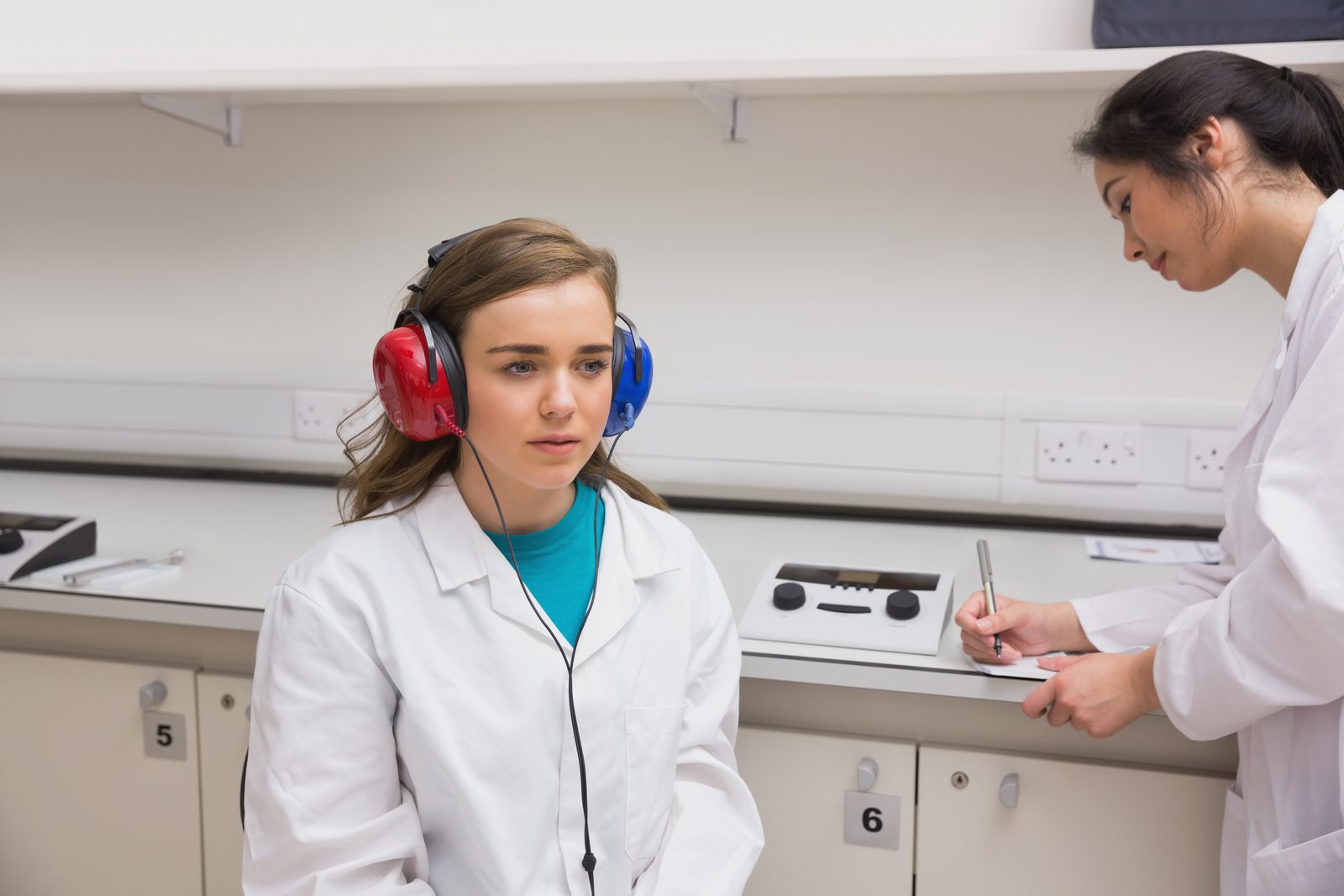
A full evaluation starts with a look inside the ear to rule out simple causes like wax buildup or fluid, followed by real hearing testing in a controlled setting rather than a hallway. This gives a much clearer picture of whether hearing is actually affected, and if so, how much and in which ear.
4. Why It's Worth Following Up Promptly
Most refer results turn out to have a simple, treatable cause. But hearing plays a direct role in speech and language development, especially in younger children, so the reason to follow up quickly isn't to expect the worst — it's that an easy fix is easiest to catch early. See our pediatric ENT page for what a children's visit here involves.