
Lake Season and Swimmer's Ear: What to Watch For
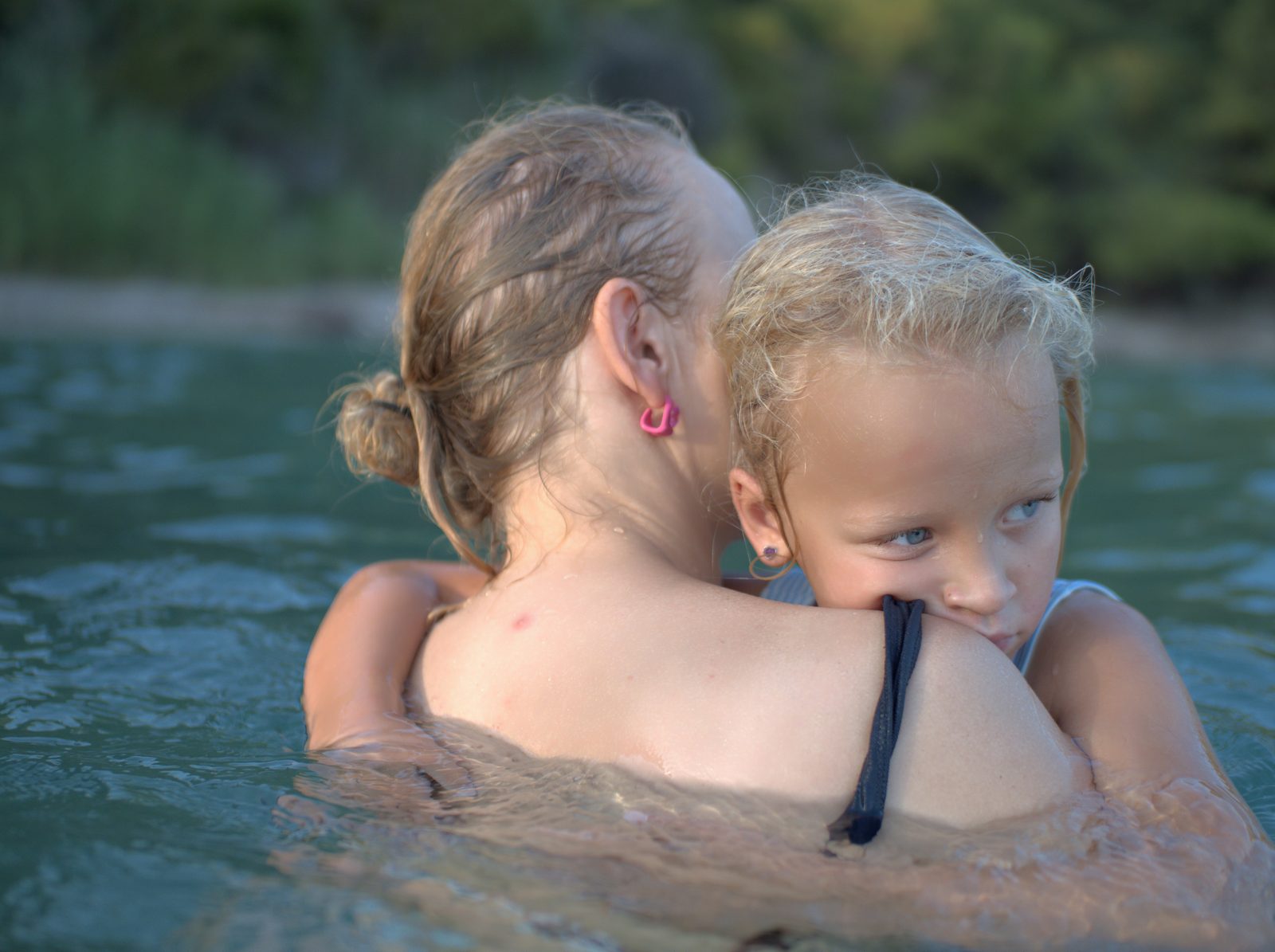
With more than 10,000 lakes and a short window to enjoy them, Minnesota kids and adults spend a lot of summer with water in their ears — and swimmer's ear follows right along.
1. Why It's So Common Here
Swimmer's ear develops when water stays trapped in the ear canal after swimming, softening the skin there and creating a warm, damp environment bacteria grow well in. Lake water in particular, compared to a chlorinated pool, carries more of the bacteria that cause it. Daily swimming over a Minnesota summer, especially for kids at camp or on the lake every day, adds up to a lot of exposure.
2. The Signs to Watch For
Itching inside the ear canal is usually the first sign, often followed by pain that gets noticeably worse when the ear is touched or pulled, a feeling of fullness, and sometimes drainage or muffled hearing. It's a different pattern from a typical middle ear infection, which usually doesn't hurt more with outer-ear movement.
3. What Actually Prevents It
Drying ears thoroughly after swimming, tilting the head to each side and gently pulling the earlobe to help water drain, makes a real difference. Swimmer's earplugs help for kids prone to recurring cases. A few drops of a 1:1 white vinegar and rubbing alcohol mix after swimming, in an ear with no tubes, perforation, or recent surgery, helps dry the canal and discourage bacterial growth.
4. When to Stop Treating It at Home
Mild itching that clears up with careful drying doesn't need a visit. Real pain, drainage, or swelling that makes it hard to see into the ear canal does — home remedies won't clear an active infection, and delaying treatment tends to make it more painful and slower to resolve. Our swimmer's ear page covers treatment in more detail.